Border Security & Immigration
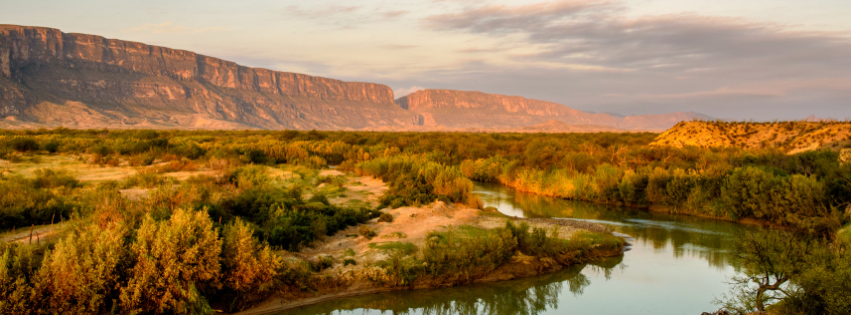
Texas Matters Principle
Secure borders and a strong immigration system are both important to Texas.
Border security, legal immigration, public safety, economic opportunity, and human dignity are interconnected. Texans may support different policy approaches, but understanding the goals, challenges, and tradeoffs behind those approaches helps create more informed conversations and more confident voters.
What Matters Most to...?
ME
How do border security and immigration affect my family, my safety, my job, and my everyday life?
For some Texans, these issues affect their work, their businesses, or the cost of goods and services. For others, they raise questions about public safety, legal immigration, workforce needs, or the economy.
Understanding how these issues connect to everyday life helps us move beyond headlines and focus on what matters most.
US
How do we keep our communities safe while supporting a strong economy, respecting the rule of law, and recognizing the contributions of legal immigration?
Texas shares more than 1,200 miles of international border with Mexico and is home to some of the busiest ports of entry in North America.
Border security, legal immigration, international trade, agriculture, tourism, and workforce needs all affect communities across Texas—not just those along the border.
Understanding how these issues intersect helps Texans evaluate different approaches and the tradeoffs they involve.
TOMORROW
What kind of border, immigration system and economy do we want to leave to the next generation?
Texas will continue to grow and play an important role in the nation's economy and its relationship with Mexico and the rest of the world. Future leaders will continue to make decisions about border security, legal immigration, trade, workforce development, and public safety.
Understanding today's choices helps Texans consider how those decisions may shape the Texas we want to live in—and leave to the next generation.
Why This Matters
Texas shares more than 1,250 miles of border with Mexico, making border security and immigration important issues for our state's economy, public safety, communities, and relationship with one of our largest trading partners.
Every day, millions of dollars in goods legally cross the border through Texas ports of entry, supporting businesses and jobs throughout the state. At the same time, policymakers continue to address challenges related to illegal border crossings, drug trafficking, human trafficking, and the operation of the immigration system.
Understanding the different responsibilities of federal, state, and local governments—and the relationship between border security, legal immigration, and economic growth—helps Texans evaluate one of the state's most complex public policy issues.
1. What is the difference between border security and immigration?
Answer
Although often discussed together, border security and immigration are different issues.
Border security focuses on protecting the nation's borders by preventing unlawful crossings, disrupting drug and human trafficking, enforcing customs laws, and facilitating lawful travel and trade.
Immigration policy governs who may legally enter, work, study, seek asylum, become permanent residents, or become U.S. citizens. These policies are established primarily by the federal government.
Understanding the distinction helps citizens evaluate different policy proposals more clearly.
Why It Matters
Border security and immigration are related but distinct issues with different goals, laws, and government responsibilities. Understanding the difference helps Texans evaluate policy proposals, understand the roles of state and federal leaders, and vote with confidence.
2. Who is responsible for securing the border?
Answer
The federal government has primary responsibility for securing the nation's international borders.
Federal agencies include:
- U.S. Customs and Border Protection (CBP)
- U.S. Border Patrol
- U.S. Immigration and Customs Enforcement (ICE)
Texas also invests state resources in border-related public safety through the Texas Department of Public Safety, the Texas National Guard, and partnerships with local law enforcement.
Border communities, local governments, and landowners also play important roles in identifying challenges and helping shape practical solutions.
Why It Matters
Border security is a shared responsibility involving federal, state, and local governments. Understanding who is responsible for different aspects of border security helps Texans evaluate public policy, understand the roles of elected leaders and government agencies, and vote with confidence.
3. Why is border security important?
Answer
Many Texans view border security as an important public safety responsibility.
Goals commonly include:
- Reducing unlawful border crossings
- Combating drug trafficking
- Preventing human trafficking
- Disrupting criminal organizations
- Protecting border communities
- Supporting lawful travel and trade
Different policymakers may propose different approaches to achieving these goals, but they generally share an interest in maintaining safe and secure borders.
Why It Matters
Border security affects public safety, immigration, trade, economic growth, and the use of taxpayer resources. Understanding the goals, challenges, and policy choices surrounding border security helps Texans thoughtfully evaluate proposals, understand the responsibilities of state and federal leaders, and vote with confidence.
4. What is legal immigration?
Answer
Legal immigration refers to the process by which foreign nationals enter or remain in the United States under federal immigration laws.
People may legally come to the United States for many reasons, including:
- Employment
- Family reunification
- Higher education
- Temporary work
- Humanitarian protection
- Refugee resettlement
- Asylum (through legal processes established by federal law)
Immigration laws determine eligibility, application requirements, and the rights and responsibilities associated with different immigration statuses.
Why It Matters
Understanding legal immigration helps Texans distinguish between lawful immigration processes and unlawful entry, better understand the responsibilities of the federal government, evaluate immigration policies and proposals, and vote with confidence.
5. How does legal immigration support Texas?
Answer
Texas has long benefited from immigrants who contribute to the state's economy, workforce, culture, and communities.
Immigrants work in a wide range of industries, including:
- Healthcare
- Agriculture
- Construction
- Energy
- Manufacturing
- Hospitality
- Technology
- Small business ownership
Many economists note that legal immigration can help address workforce shortages, encourage entrepreneurship, and support long-term economic growth.
Why It Matters
Legal immigration plays an important role in supporting Texas' workforce, economy, and communities. Understanding how legal immigration contributes to the state's success helps Texans thoughtfully evaluate immigration policies, workforce needs, and economic priorities—and vote with confidence.
6. Why are Texas ports of entry important?
Answer
Ports of entry are locations where people and goods legally enter the United States.
Texas' international bridges and ports support billions of dollars in trade each year with Mexico, one of the state's largest trading partners.
Efficient ports of entry help:
- Move goods quickly
- Support supply chains
- Strengthen manufacturing
- Facilitate tourism
- Support agriculture
- Create jobs
Security and efficient commerce both play important roles in the operation of ports of entry.
Why It Matters
Texas' ports of entry are essential to both border security and economic prosperity. Understanding their role in facilitating lawful trade, travel, and customs enforcement helps Texans evaluate border policies, infrastructure investments, and economic priorities—and vote with confidence.
7. How does border policy affect communities?
Answer
Communities along the Texas-Mexico border experience border issues differently than communities farther inland.
Border communities often have unique perspectives because they are directly affected by:
- Cross-border commerce
- Tourism
- Agriculture
- Public safety
- Healthcare
- Infrastructure
- International relationships
Listening to residents, businesses, law enforcement, local governments, and community organizations helps policymakers better understand local needs and challenges.
Why It Matters
Effective public policy often benefits from input from the communities most directly affected.
8. Why do some Texans oppose a border wall in parts of Texas, such as Big Bend?
Answer
Many Texans support strong border security but believe a continuous physical wall is not the best solution in every location. In areas such as the Big Bend region, some local residents, landowners, business owners, conservation groups, and elected officials have expressed opposition to a border wall for several reasons.
Common concerns include:
- Geography. The Big Bend region's steep mountains, deserts, and the Rio Grande already create significant natural barriers, leading some to question whether a continuous wall would provide additional security compared with technology and personnel.
- Private property rights. Construction may require the federal government to acquire private land through voluntary agreements or, in some cases, eminent domain, which some landowners oppose.
- Tourism and local economies. Big Bend National Park and Big Bend Ranch State Park attract hundreds of thousands of visitors each year, supporting hotels, restaurants, outfitters, and other local businesses. Some residents worry a wall could affect tourism and recreation.
- Wildlife and natural resources. Some scientists and conservation organizations are concerned that a wall could disrupt wildlife movement, alter habitats, and affect access to the Rio Grande.
- Flooding and infrastructure. In some communities, local officials have raised concerns that wall construction could affect drainage patterns or increase flooding risks, leading to ongoing legal disputes.
Supporters of additional border barriers argue that physical infrastructure can help reduce unlawful crossings, improve border enforcement, and enhance national security, particularly when used alongside personnel and surveillance technology. They contend that barriers are one tool among many available to secure the border.
As a result, much of the debate is not whether border security is important, but how it should be achieved in different parts of Texas.
Why It Matters
Border security often requires balancing multiple priorities, including public safety, private property rights, environmental stewardship, economic development, and the needs of border communities. Understanding the different perspectives and tradeoffs helps Texans thoughtfully evaluate border security proposals, understand the roles of federal and state government, and vote with confidence.
9. Who has responsibility over border security and immigration?
Answer
9. Who do I need to speak to about secure borders and immigration?
Answer
Vote with Confidence
Border security and immigration are complex issues with important implications for public safety, the economy, international trade, workforce needs, and the lives of millions of people.
As you evaluate candidates, public officials, or policy proposals, consider asking:
- How do they define a secure border, and what outcomes are they seeking to achieve?
- What role should the federal government and the State of Texas each play in border security?
- How do they propose to combat drug trafficking, human trafficking, and other cross-border crime?
- How do they balance public safety with protecting lawful travel, trade, and commerce?
- What are their views on legal immigration and the role it plays in meeting Texas' workforce and economic needs?
- How would their proposals affect border communities, businesses, agriculture, and local law enforcement?
- How do they measure success, and what evidence supports their approach?
- What are the expected costs, benefits, and tradeoffs of their proposals?
- How do they plan to work with local communities, neighboring states, and federal agencies to address shared challenges?
No single question provides all the answers. Looking at a candidate's priorities, experience, and proposed solutions can help you evaluate how they approach this issue.
Texas Matters Takeaway
Texas has a unique role as both a border state and an economic gateway. Secure borders, lawful trade, and an effective legal immigration system all contribute to public safety, strong communities, and a vibrant economy.
By understanding how these issues intersect—and by listening to the communities most directly affected—Texans can engage thoughtfully in one of the state's most consequential policy conversations.
Explore what matters most to everyday Texans.
Understand the choices.
Vote with confidence.
Trusted Resources
- U.S. Customs and Border Protection (CBP)
- U.S. Citizenship and Immigration Services (USCIS)
- Texas Department of Public Safety
- Texas Border Coalition
- Texas Comptroller of Public Accounts
- Texas 2036
- Bipartisan Policy Center
- Migration Policy Institute
- Congressional Research Service